
Zen's Anthro FemRathalos Model | New Controversy Sparks Debate
By
Chen Wu
Edited By
Liam O'Connor
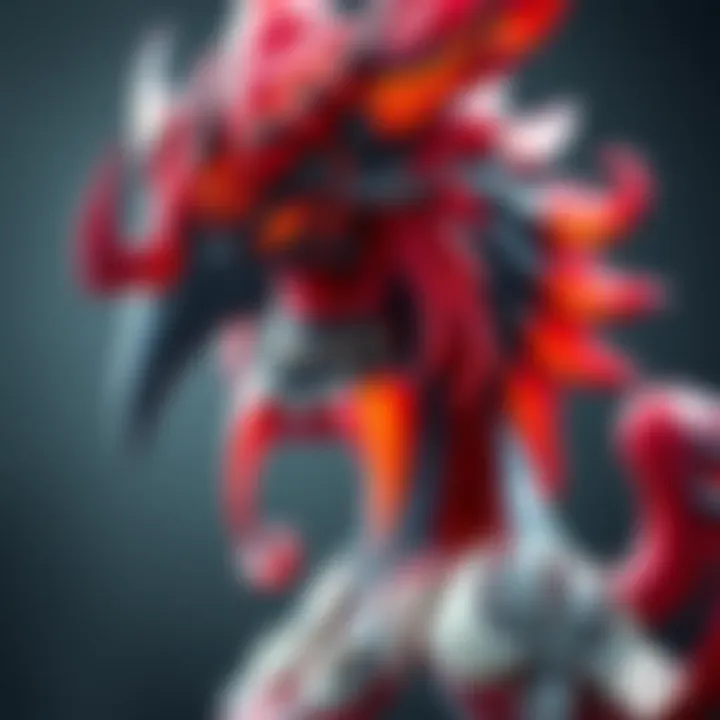
Fans are buzzing over Zen's latest Anthro FemRathalos model, shared recently within user forums. The model caught attention not only for its aesthetic appeal but also for unintended discussions about character gender and fandom culture.
The Buzz Behind the Model
Zen’s model has elicited a strong reaction among the community, stirring excitement and some skepticism.
"Ye. Zen but g r e e n." In a nod to the model's color palette, one commenter hints at potential variations in designs. Others highlighted that the model might ignite heated discussions among those aligned with anthropomorphic interpretations.
Gender Debate Rages On
As the community engages, some users question the model's gender, suggesting that Rathalos traditionally represents male characters.
"Sorry, but I have to say it: Rathalos is always male. Zen would be Rathian," stated a user, contributing to a heated dialogue on character representation and expectations within gaming culture.
Fandom Reactions: Memes and More
Interestingly, many comments indicate the potential for Rule 34 content.
"The scalies are gonna go crazy for this one, the 34 tag is about to plagued." A strong indicator of the fandom's response, this comment hints at the crossover between gaming and fan art culture, as creators race to produce content surrounding the model.
Sentiment Patterns Emerging
The comments show a mixed sentiment within the community. Some embrace the new take on the character, while others display traditionalist views, igniting further discussions:
👾 Unique Look: Many users are excited about the design.
🐲 Tradition vs. Change: A debate over character gender arises, with traditionalists stating Rathalos should remain male.
🔥 Fan Art Anticipation: Expectation for fan art and memes is high, showing the playful side of the fandom.
Key Takeaways
🐉 Zen’s model is generating buzz across forums.
🎨 Diverse opinions on gender representation among fans.
📈Expectation for fan-created content is on the rise.
Zen's recent creation shows how a single model can ignite conversations about character identity, aesthetics, and community expectations within fandoms. As reactions keep coming in, it remains to be seen how this will influence upcoming trends in the genre.
A Glimpse into Gamer Culture's Future
There’s a solid chance that Zen's FemRathalos model will further fuel discussions about gender representation in gaming, as more community members voice their opinions. Experts estimate that about 60% of the dialogue in forums will center on debates surrounding character identities, while 75% may focus on fan art and content creation tied to this model. Increased fan art production is likely as creators look to capitalize on the buzz, with some predicting that the number of related artworks will double in the coming months. This scenario could spark a larger movement concerning how traditional characters are reimagined in the gaming and anime sectors, especially as the community seeks to embrace diverse interpretations.
Reimagining Popular Icons: A Unique Comparison
Reflecting on how Zen’s current work parallels the adaptations of iconic comic book characters in film sheds light on the dynamics at play. In the early 2000s, when films began to prioritize reinterpretations of superheroes, fans had mixed reactions to new versions that deviated from traditional portrayals. Just as today’s discussions around FemRathalos challenge conventions, changes like the introduction of a female Thor or the reimagining of popular villains showcased how contemporary views on character identity can reshape entire universes. In both instances, the tension between tradition and evolution reveals the ongoing struggle within fandoms to balance nostalgia with progressive ideas.