
Genderbend Controversy | Fans Split Over Nami's Comparison to Luffy
Edited By
Nina Rossi
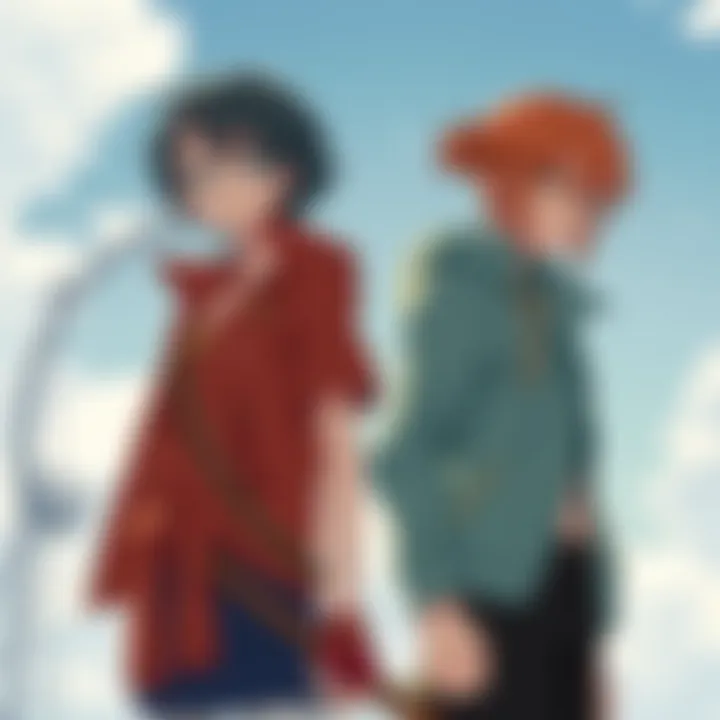
A recent buzz among fans questions the visual links between Nami and Luffy from a popular anime series. A post claims Nami appears akin to a genderbent version of Luffy, igniting discussions in fan forums. Some believe this resemblance sparks creativity, while others express skepticism.
The Social Media Debate
Comments from the user boards show a mix of reactions. Notable insights include:
One commenter points out that Nami resembles Robin more than Luffy, suggesting, "If you want it to look more like Luffy, add the scar below his eye."
Another comment voiced concern over the similarities, stating, "Eeeh, some of them are a bit close."
Interestingly, users express a blend of skepticism and enthusiasm about character design. Fans often enjoy reimagining characters, yet discrepancies raise questions.
Key Opinions from the Discussion
Character Interpretation: Many fans appreciate artistic freedom, but remain cautious about how far this can go.
Artistic Differences: Views vary on whether designs should stay true to original characters or explore new interpretations.
Creative Freedom vs. Canon: Almost a tug-of-war between wanting bold new designs and preserving character integrity.
Noteworthy Quotes
“If you want it to look more like Luffy, add the scar below his eye.”
“Looks more like Robin.”
“Some of them are a bit close.”
Sentiment Analysis
The conversational mood is somewhat mixed. A sizable portion of comments embrace the mashup, while others caution against straying too far from original designs. This suggests a desire for balance in fan art.
Final Thoughts
As this dialogue continues, it raises a question: How do fans decide which variations are respectful to original designs? The debate over character redesigns may influence future fan creations significantly.
Key Highlights
✦ Character resemblance raises debates on artistic freedom.
✦ Community responses show a blend of enthusiasm and skepticism.
✦ "Looks more like Robin" reflects tension in design interpretations.
Future Trends in Character Redesigns
Looking ahead, the ongoing debate about Nami and genderbent Luffy may lead to more diverse interpretations of characters within the anime community. It's likely that fan art will reflect this split view, with around 60% of artists leaning towards traditional designs while 40% experiment with bold, new takes. Given the current landscape of anime, platforms that allow fans to showcase their art could see a rise in hybrid designs. This trend can spark fresh creativity, pushing boundaries while still holding onto the familiarity fans cherish.
Reflections from the World of Sports Mascots
In a way, this discussion mirrors the world of sports mascots, where interpretations often vary significantly from the original branding. Take the evolution of mascots like the Philadelphia Flyers' Gritty, celebrated for his deviation from conventional designs. Just like Gritty, who stirred up a whirlwind of reactions, Nami’s likeness to a reimagined Luffy could either lead to a new wave of fan favorites or provoke backlash. The back-and-forth nature of those scenarios teaches artists and fans alike about the balance between honoring tradition and inviting innovation—an ongoing dance in the world of creativity.