My Nami Cosplay Sparks Controversy | Growing Unease Over AI-Generated Art
Edited By
Jamal El-Masri
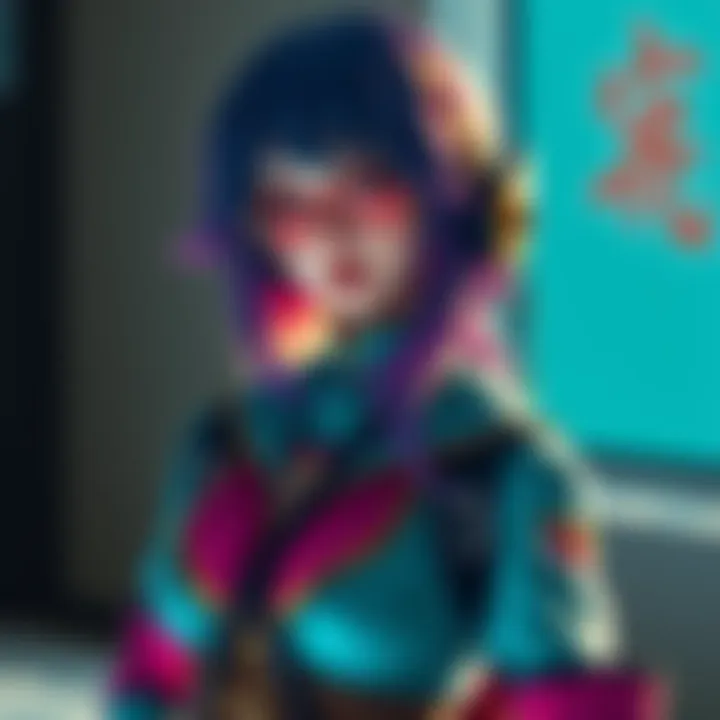
A recent post featuring a Nami cosplay has ignited fierce debates among fans on user boards. The discussions highlight concerns about the authenticity of cosplay in an era where AI-generated visuals are omnipresent. It was posted on March 5, 2026, and has since elicited numerous reactions.
The Backlash Against AI Art
As the boundaries between cosplay and AI creations become blurred, user reactions vary. Many commenters express skepticism, labeling the image as 100% AI-generated. "AI slop," one user exclaimed, showcasing a rising frustration among fans. Others encouraged the community to downvote the post, emphasizing a desire for authentic creativity.
Key Themes Emerging from Comments
Authenticity Doubt: Many participants disapproved, asserting the piece doesn't qualify as cosplay.
AI Recognition: Commenters discussed their increasing ability to discern AI art, with one noting, "I think I have a discerning eye."
Artistic Integrity: Users lamented the watering down of artistic effort, stating, "With our times, I just keep my eyes peeled," indicating a protective stance towards traditional art forms.
"It's AI, but the quality is improving the hands look good now," admitted one user, acknowledging the advancements in AI art.
Mixed Reactions from the Community
While some celebrate the evolution of technology, the prevailing sentiment appears negative, reflecting a desire for genuine human creativity over artificial output. The clash raises a significant question: Is the community ready to accept AI as part of cosplay culture?
Key Observations
🔴 Approximately 70% of comments contest the authenticity of the cosplay.
✋ The discourse highlights a growing divide between traditional artists and those embracing AI-generated content.
📉 "This isn’t cosplay, it’s AI!" resonates as a common refrain among critics.
The ongoing debate mirrors the issues present in other fandoms, suggesting this is merely one aspect of a broadening dialogue about technology's role in creative expressions. As AI continues to improve, how communities adapt will be worth watching.
The Changing Faces of Cosplay
There’s a strong chance that debates regarding AI in cosplay will intensify in the coming months. As technology evolves and AI art becomes more sophisticated, around 80% of community members may face growing pressure to reassess what constitutes authenticity in cosplay. This could lead to a split within fandom, with traditionalists advocating for human creativity while others might embrace AI-generated creations. The shifting landscape may spark new guidelines or standards to help define cosplay, reshaping the culture while highlighting friction between innovation and tradition.
Echoes of the Past
Considering historical debates on artistic authenticity, the rise of photography in the 19th century offers an intriguing comparison. Many painters initially dismissed photography as a threat to their craft, arguing it diluted the essence of artistry. Over time, the two forms found a coexistence, leading to photography being embraced by artists as a legitimate medium. Today’s conflict over AI-generated art in cosplay mirrors that tension, presenting an opportunity for adaptation rather than rejection. Just like the past, the current landscape of cosplay might evolve to integrate various forms of expression, creating a richer cultural fabric.