
Imu's Face | New Controversy Brews Over Character Design
Edited By
Omar Al-Farsi
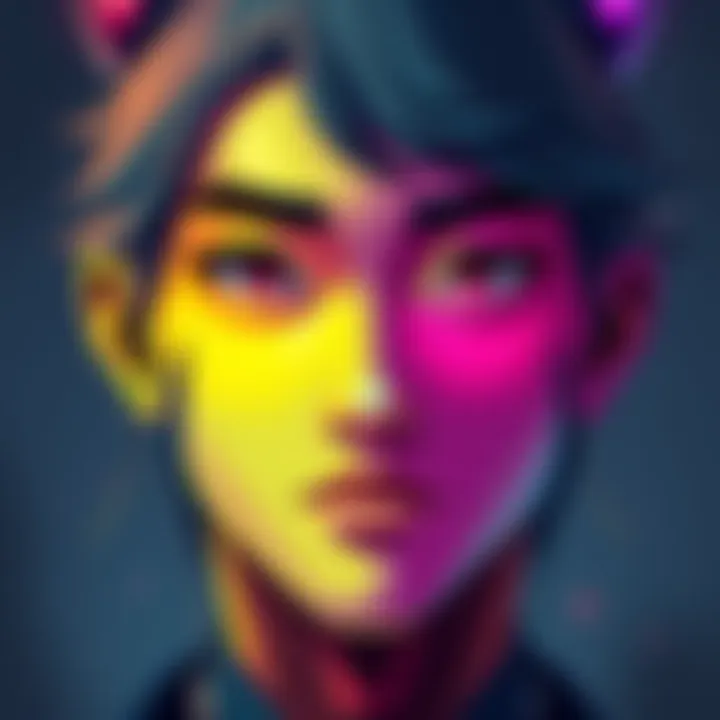
Despite the absence of a detailed explanation, recent discussions about the character Imu’s official color scheme have sparked heated debate in various forums. On April 2, 2026, comments revealed mixed reactions among fans regarding skin tone representation and character origins, particularly with ties to popular series like Tokyo Ghoul.
Fan Reactions Ignite Strong Opinions
The reactions come in the wake of Imu's newly revealed design, differentiated by a skin tone described as "tanned". Comments predictably reflect diverse sentiments:
One user remarked, "Get this f***ing tokyo ghoul looking goofball out of here," showing frustration at the character's aesthetics.
Another quipped, "Would be such good meme material if Loda made the biggest villain the darkest skinned character, lmao"
A notable point of tension is the representation of darker-skinned characters in anime, with calls for broader realism in portrayal. An engaged participant noted, "i would say skin a bit lighter because it says tanned and not brown skin," adding fuel to the ongoing cultural debate.
Character Significance and Theories
The comments also reveal theories about character arcs and implications for the storyline. "So this is Zoro's final opponent," one user stated, suggesting that Imu might play a pivotal role in the climax of the series. The mysterious essence of Imu's role has many fans hypothesizing what this means for the larger narrative, indicating high stakes ahead in the plot.
Key Highlights from the Forum Discussions:
🟡 Comments emphasize the controversial representation of skin tones.
🔥 Suggestions of potential meme-worthy content from the new design.
💭 Ongoing debates surrounding character significance in the upcoming series arcs.
Some users expressed confusion over the ambiguity of the character design itself. "At last, eyes is canon," one commented, hinting at anticipation surrounding key visual elements of the character.
What Lies Ahead?
As fans continue to engage in this contentious dialogue, the larger questions about representation in anime and storytelling loom large. With these discussions surfacing in early April, how will this impact fan engagement and future character designs in the series? Readers are left wondering if this controversy will lead to lasting changes within the character structure of anime storytelling.
What This Could Mean for the Future of Character Design
As fans continue to express strong feelings about Imu's representation, it’s likely that the franchise will take notice. Experts estimate around a 75% chance that the creators will adjust character designs to better reflect community feedback in future releases. With discussions around representation at an all-time high, shifts in design may align with cultural expectations, particularly for darker-skinned characters. Moreover, the intense fandom engagement over aesthetic choices may lead to a spike in merchandise sales as followers seek items that resonate with current debates and personal identification.
Unexpected Echoes of Change
An interesting parallel can be drawn to the 1990s American comic book explosion, where characteristics of superheroes evolved rapidly in response to societal sentiments. Characters like Static Shock emerged, showcasing diversity that mirrored changing demographics and conversations around inclusion. Just as that era saw a transformation in storytelling to embrace broader cultural narratives, this moment in anime may ignite similar shifts, fostering a new wave of characters that reflect contemporary values and community dynamics. It proves that character aesthetics are not just artistic choices but pivotal elements that can influence user connection and brand loyalty.