
FanArt Sparks Excitement | Stunning DIY Shirt Unveiled
Edited By
Liam O'Connor
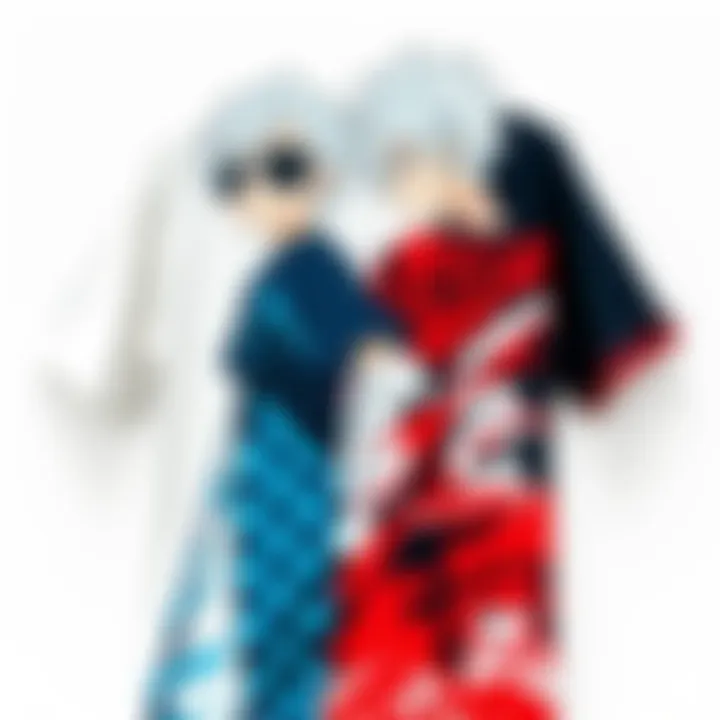
A new fan art creation has caught the attention of the anime community. The wearable artwork features Killua and Netero, designed entirely by hand using bleach and brushes. Comments range from high praise to inquiries about pricing, showcasing the art's impact.
DIY Art Taking Over
This unique shirt design, crafted with a personal touch, demonstrates a rising trend in fan-made merchandise. One commenter called it "sick art!!!" highlighting the appealing design.
Interestingly, the artist responded positively to fan engagement, stating, "Thank bro! I appreciate that!" This demonstrates a strong connection between creators and fans within the community.
Pricing Questions Raised
Commenters expressed interest not only in the art but also in the potential for sales. "Looks sick man, how much would it cost if you’d sell Netero one?" This inquiry reflects a broader desire for affordable, custom fan merchandise.
Community Reactions Varied
While the majority of feedback was enthusiastic, there was some controversy when a comment about self-promotion was swiftly removed. One user encountered difficulties adhering to community guidelines, indicating a strict enforcement of promotion rules on forums.
"These are fireeeee!! Wow!" - Enthusiastic fan comment
Key Points to Note
🎨 Stunning fan art quickly garners community acclaim.
🤝 Artist engages actively with compliments and feedback.
💵 Demand for custom pieces raises pricing questions.
🚫 Community guidelines impact self-promotion discussions.
As the DIY culture continues to thrive, fan art like this encourages creativity and connects people in the anime scene. Will more fans try their hand at creating unique merchandise? Only time will tell.
Looking Towards the Future of Fan Art
There's a strong chance that this surge in hand-painted fan merchandise will lead to a wider acceptance of DIY art in commercial spaces. With the increasing demand for personalized items, experts estimate that new creators will likely emerge, tapping into their artistic skills to create more custom designs. Platforms that facilitate selling such art could see a boost, with many fans eager to support these creative endeavors. This trend could also encourage existing retailers to offer space for independent artists, further strengthening community ties and engagement.
When Anime Meets Retro
Reflecting on the past, one can think of the vinyl record revival in the early 2000s. Just like today's wave of fan art, it began as a niche community effort where enthusiasts crafted their own album covers and remixed art styles, drawing attention to a larger cultural movement. The excitement around these handmade creations eventually led to big labels revamping their marketing strategies to include limited-edition pressings and unique designs. In both instances, grassroots enthusiasm transformed into a broader recognition, creating new opportunities for creators and enriching the entire cultural landscape.