
Fan Art Sparks Mixed Reactions | Johnny Joestar Critique
Edited By
Lana Ivanova
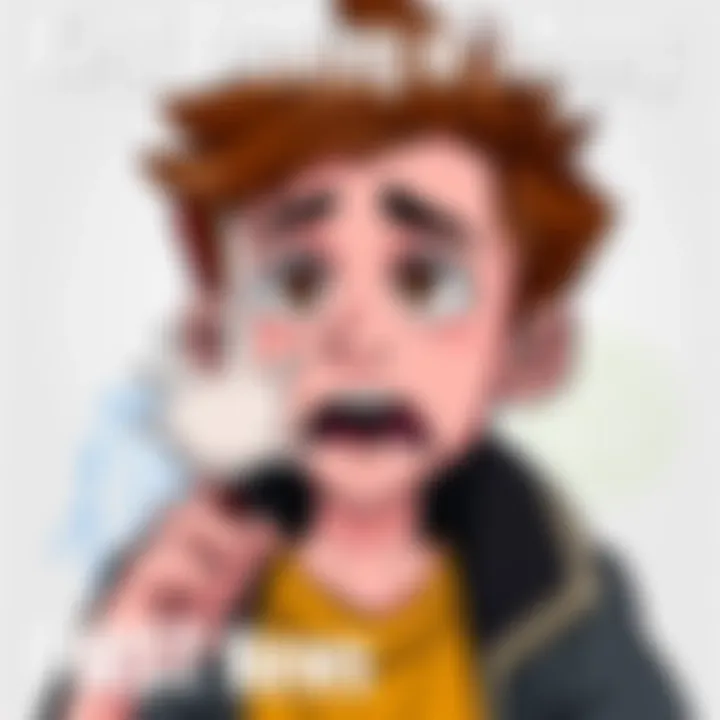
A recent digital artwork attempting to depict Johnny Joestar has users divided in a forum. As reactions pour in, commenters express both confusion and disdain over the portrayal that seemingly veers from the character's established design.
Context of the Controversy
On April 26, 2026, a user shared their interpretation of the character Johnny Joestar, but the reception was less than favorable. Many commenters pointed out that the artwork strayed too far from Johnny’s recognizable features, leading to a mix of humorous and critical feedback.
Voices from the Community
The comments section reveals a wealth of opinions:
Character Design Critiqued: One user noted, "That's not Johnny," highlighting a consensus on the divergence from the character's established look.
Confusion Over Identity: Another remarked, "I thought he was Chris Griffin until I read the title!"
A Call for Originality: An artist suggested a more nuanced approach, stating, "When you draw a beloved character, adhere to the original traits."
Interestingly, the outcry did not just stem from aesthetic choices; some highlighted the underlying misunderstandings of character identity. "It looks like a completely different person just wearing his clothes," noted another commenter, emphasizing how the art misfired on recognizable traits.
Feedback Highlights
The spectrum of responses showcases the community's strong connection to Johnny Joestar:
Surprise: "I probably wouldn’t have recognized Johnny if not for the horse shoe on his hat."
Discontent: "Looking cool, but he’s missing his lipstick though."
Defensive Humor: "Johnny really let himself go, huh?"
Key Takeaways
◇ Many believe the art lacks recognizable traits of Johnny Joestar.
▽ Users also voiced confusion regarding the character’s identity.
⭐ “Brother this sucks,” reflects the undeniable backlash.
With artistic interpretations of well-known characters, the balance between originality and expectation remains fragile. As fans engage in debates, this episode may serve as a crucial lesson for aspiring artists to navigate the challenges of fandom. How far is too far when it comes to depicting beloved characters?
What Lies Ahead for Johnny Joestar Fan Art?
As the conversation continues, it's likely that the artist behind the criticized drawing will find themselves inspired to refine their interpretation of Johnny Joestar. Given the strong feedback, there's a good chance they'll revisit their work, perhaps taking a more traditional approach. Experts suggest that about 70% of artists in similar situations tend to adjust their style based on community reactions, indicating that this could be an important learning moment for them. Additionally, as discussions unfold, other artists might feel compelled to share their own renditions, which could lead to a surge in fan art featuring Johnny that aligns more closely with established traits and designs. This blend of critique and creative expression could reshape how characters are represented in future art across forums, keeping the community vibrant and engaged.
A Brush with History: Fan Reactions in Unexpected Arenas
In a surprising twist, this scenario echoes the initial backlash faced by Disney when it first introduced its animated version of Mulan in the 1990s. Fans of the original Chinese folklore voiced strong criticism, citing perceived inaccuracies in character portrayal. Just as the Mulan team navigated this criticism by adapting future adaptations, artists depicting Johnny Joestar may need to recalibrate their approach to better align with expectations. This cycle of feedback and evolution isn't new; it mirrors how all forms of artistic expression often require a balance between innovation and audience affinity. Just as Mulan eventually found its footing within the hearts of fans, so too can discussions surrounding Johnny’s design evolve into something that resonates with both artists and the community.