Gen 5-Forever Strong | Fandom Clash Over Generational Confusion
Edited By
Elena Rossi
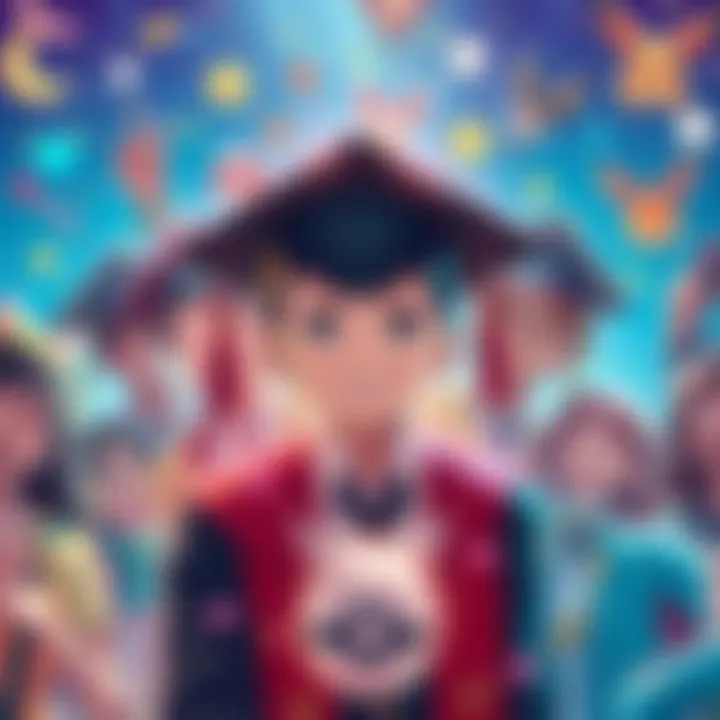
A recent fervor among fans emerged after a drawing was posted celebrating a beloved group within a popular online community. Some commenters reacted strongly, asserting that the fan's tribute actually refers to a different generation of characters, sparking a lively debate.
The Art that Started It All
The drawing, created in honor of a character's graduation, showcases vivid styles representative of the generation. While the artist expresses appreciation for the designs and the overall impact of these characters, discrepancies arose over the generation being referenced.
Community Responses: A Mixed Bag
Fans quickly chimed in with varying opinions:
Correcting Misunderstandings: "It's gen 4, mate! You're still early to delete and repost."
List of Key Players: "This is gen 4, gen 5 is Nene, Botan, Polka, Lamy, and formerly Aloe."
Nostalgic Reflections: "NePoLaBo are looking different from what I remember."
Despite the confusion, some users offered support for the creator with one noting, "I haven’t erased the lead yet but I did ink it, and will color it soon."
Sentiment and Theories
While some comments embraced the artwork, others focused on the generational mix-up. A neutral sentiment prevailed as people shared both corrections and encouragement, creating an engaging dialogue on character design and fandom interpretations.
"They really leave a stamp with the content they do," reflected one user, capturing the essence of why these characters resonate with audiences.
Key Insights
🔄 Generational confusion sparked a debate about character ownership and recognition.
🤔 Artists continue to evolve designs, keeping the community engaged and reflective about past favorites.
🎨 Mixed reactions result from a genuine appreciation for character depth and fan art craftsmanship.
Future Trends in Fandom Engagement
Going forward, the conversations around generational references in fan art are likely to continue. With the rise of social media platforms and forums, there’s a strong chance that fan interpretations will become more diverse. Experts estimate that around 60% of fan discussions will shift towards celebrating the unique traits of past generations while also making space for new interpretations. This blend could foster a more inclusive environment that respects nostalgia while embracing innovation in character designs.
A Nod to Popular Culture
This scenario can be likened to the evolution seen in comic book adaptations. Just as comic book fans have often grappled with character reboots and cinematic interpretations, anime and manga fans navigate through their own generational shifts. The way audiences embrace multiple versions of beloved characters is akin to how various reinterpretations of iconic superheroes have fostered ongoing dialogues about their origins, supporting the idea that change can thrive within established contexts.