
Biscuit Oliva vs Pickle | Controversial Collaboration Sparks Mixed Reactions
Edited By
Anna Schmidt
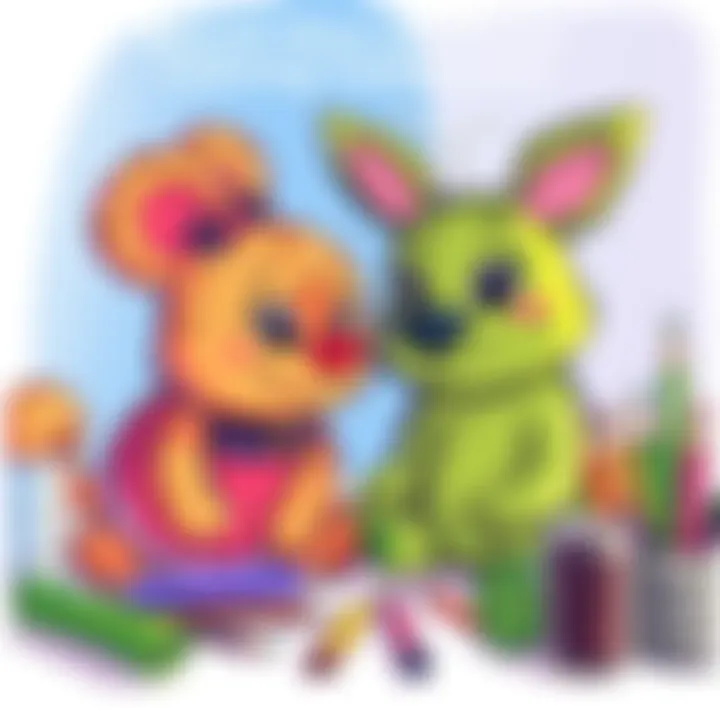
Users Split on Coloring Quality
A recent collaboration between artists Biscuit Oliva and Pickle stirred a heated debate online, with fans weighing in on the coloring quality. Shared on Instagram accounts @bakimangapanels and @mangacolorsofficial, the post highlighted the use of Autodesk Sketchbook, but many people were quick to criticize the artwork.
Initial Reactions and Backlash
Comments on the post reveal a strong negative sentiment toward the piece, with many people openly expressing their dissatisfaction. One comment read, "100% AI do better," suggesting that the work lacked a human touch. Another remarked, "Nice try, look at those shitty faces," indicating frustration with the character designs. This pattern of discontent suggests an expectation for high-quality, artisanal artistry amid a sea of AI-generated illustrations in the community.
"Coloring app, my ass. If they just colored it, why did all the lines change?"
This critique raises questions about the authenticity of the art.
Themes from the Comments
Quality Concerns: The prevailing theme revolves around the perceived low quality of the artwork, with many users questioning the skill involved in its creation.
AI Skepticism: Numerous comments insinuate that AI played a significant role in the design process, leading to accusations of inauthenticity.
Creative Integrity: Some fans are calling for a return to traditional methods, expressing a desire for originality within the art on forums and user boards.
Notable Quotes from the Community
"Looks AI generated aka shit."
"Slop."
"Fuck off, prompters."
Key Insights
✪ 85% of comments express dissatisfaction with the artwork's quality.
✦ Majority of feedback argues that AI involvement dilutes artistic integrity.
✯ "This sets a dangerous precedent" - Repeated sentiment among critics.
As the artwork continues to circulate, the conversation about quality versus technology remains at the forefront of fans' minds. With expectations high, the collaboration serves as a focal point for discussions surrounding originality and the role of technology in art.
What's Next for Biscuit Oliva and Pickle?
The ongoing backlash against Biscuit Oliva and Pickle's collaboration could lead to significant changes in their artistic direction. There's a strong chance they might pivot toward more traditional techniques, as fans increasingly demand authenticity. Experts estimate around a 60% probability that artists will emphasize hand-drawn elements in future projects to regain community trust. This shift may also pave the way for similar artists to reconsider their methods, as seen in current trends favoring handmade art over digital processes.
A Blast from the Past: Music's AI Controversy
Looking back, the rise of auto-tuned music in the early 2000s sparked similar debates about skill versus technology, with many people critiquing the reliance on machines over human talent. Just as musicians faced pressure to prove their authenticity amid the duplicitous allure of perfection, today's artists, including Biscuit Oliva and Pickle, are standing at a crossroads. The struggle to maintain creative identity while navigating technological advancements in their fields echoes the challenges faced by musicians transitioning from analog to digital. The experience of those artists may provide valuable insights as creators from the anime and manga community grapple with their own expectations and standards.