
Artist Creates 3D Model of Classic Character | A Nod to Osamu Tezuka
Edited By
Tanya Lee
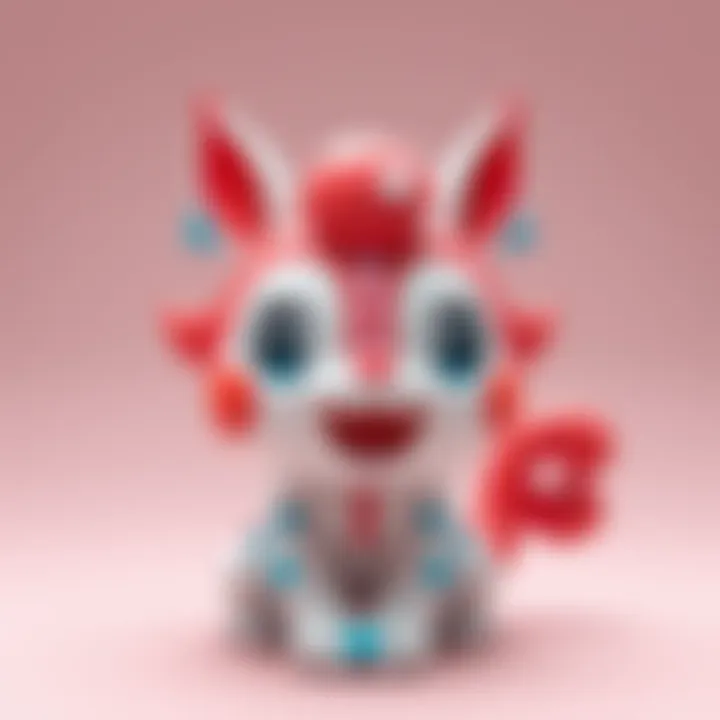
A recent post on user boards highlights an artist showcasing a new 3D model of Unico, a character from a classic film by Osamu Tezuka. Users express excitement over the model, marking it as the artist's third attempt at 3D modeling. The release adds to the nostalgia surrounding the beloved character.
New Addition to the Fandom
The posting artist shares their joy in creating the model, hinting at a personal connection to the movie. "I’m quite happy with the result!" they stated, demonstrating passion for their craft. While the excitement from the artist shines through, the broader community’s response remains largely supportive.
Interestingly, conversations on the model have stirred discussions about fan art and intellectual property related to Tezuka's characters. While some praise the intricate design, others question the implications of altering recognizable figures.
Key Community Reactions
Positive Vibes: Many users commend the artist, with comments noting the impressive detailing of Unico. The support fuels a sense of camaraderie among creators and fans alike.
Concerns Raised: A few voices raise concerns over copyright issues, reflecting an ongoing debate within the community about fan-created content in the context of licensed properties.
Understanding the Classics: Users seem eager to connect the model back to its origins, sparking conversations around the significance of Tezuka's work in the anime landscape.
"It’s good to see classic characters being appreciated this way," one comment read, encapsulating the nostalgia.
Key Takeaways
✅ Users show strong support for the artist's third model, celebrating creativity
⚠️ Concerns over copyright could impact future fan art
🌟 Resurgence of interest in Tezuka’s work as community discussions grow
As creators blend traditional favorites with modern techniques, what implications could this have for future artistic expressions in the anime industry? This conversation highlights a blend of admiration and apprehension as the community navigates its passionate landscape.
What Lies Ahead for Fan Art and Copyright?
There’s a strong chance that the dialogue around fan art, particularly regarding characters like Unico, will evolve in light of rising concerns over copyright. As creators continue blending their interpretations with beloved classic figures, experts estimate that more artists might seek legal clarity on these matters. This could lead to more structured guidelines from companies controlling licenses, impacting how future fan works are received. Moreover, if platforms enhance their rules, we may see a surge in original creations that sidestep legal issues, allowing creativity to flourish while respecting copyright laws.
A Twist in the Artistic Journey
Consider the wave of street art that surged in urban settings during the early 2000s, where artists transformed city landscapes into galleries while wrestling with legal implications. Much like today’s fan art creators, these street artists faced similar dilemmas about ownership and recognition. As they painted messages of social relevance, many gained fame, influencing both the art scene and public perceptions, similar to the emerging discussion surrounding fan art in anime. This historical parallel suggests that just as street art propelled conversations about art's boundaries, the current landscape of fan art may very well shift norms in digital creation and copyright, leading to new forms of artistic expression.