
AI Art Sparks Mixed Reactions | Community Reacts Strongly
Edited By
Carlos Mendoza
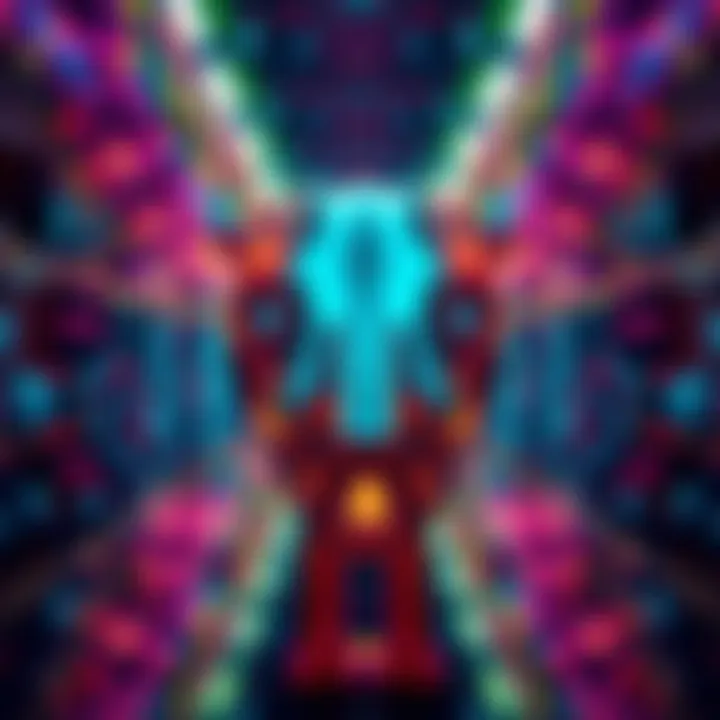
A recent post showcasing AI-generated art has ignited a heated debate among fans on social media. Some claim it lacks originality, while others argue it shines a light on talented artists. This discussion unfolded on user boards shortly after the images were shared on May 24, 2026.
Context and Controversy
The art in question features vibrant visuals, but many participants question the legitimacy of AI-created content. Notably, one user pointed out that the images appeared to have originated from an artist named LUCAGERLART, suggesting that the colors may have been adjusted. This created friction, as some fans pushed back against the AI's role in art creation.
Themes and Insights
Three major themes emerged from the buzzing comments:
Originality Concerns
Many participants criticized the use of AI in art, stating it's a misappropriation of human creativity. One commenter bluntly declared, "trash," while another added, "no."
Artistic Value
On the flip side, positive remarks flooded in, with users labeling the images as "beautiful" and expressing appreciation for the aesthetic qualities.
Debate on AI's Role in Art
A prominent viewpoint was expressed by one participant: "Hating AI doesn’t make you unique or morally superior, btw guys." This indicates a growing divide over acceptable practices in art.
"It would be cool if it wasn’t AI," reflected one user, symbolizing a common sentiment.
Community Sentiment
Overall, reactions were split. While some fans appreciate the innovation of AI art, others feel that it detracts from traditional artistic methods. This is the kind of friction that often marks discussions in the art community as technology continues to evolve.
Key Insights
🌟 Fans are divided on AI's impact on art.
△ "It brightened up the colors a little. OMG AI 😂" - Commenter's perspective on adjustments.
▽ Original artwork attribution raised questions about authenticity.
Looking Ahead
As technology continues to develop, discussions surrounding AI-generated art will likely remain contentious. This evolving narrative encourages ongoing dialogue about creativity and authenticity within artistic spaces, making it clear that the intersection of AI and art remains a hot topic.
Future Trends in AI Art
As the technology behind AI art develops, experts predict an increase in its integration within creative industries. There’s a strong chance that collaborations between AI and human artists will become more common, with about 65% of artists open to experimenting. Similarly, platforms may start offering clearer guidelines on attribution and originality to address authenticity concerns. The ongoing dialogue within the art community suggests that acceptance of AI-generated pieces could rise, fostering new forms of creativity while challenging traditional notions of artistry.
Historical Echoes in Artistic Evolution
This situation bears a striking resemblance to the early reception of photography in the 19th century. Many painters feared that the rise of cameras would diminish their art's value, labeling the new medium as mere technical imitation. Yet, as time passed, artists like Man Ray and Alfred Stieglitz incorporated photography into their practices, ultimately enriching the art landscape. Just as photography transformed expectations in art, AI art may redefine our creative boundaries, leading to unexpected collaborations and inspiring innovations.